The Prized Southern Hake: Chile’s Cold-Water Treasure
12 de mayo de 2014
Chilean Salmon Exports Hit Record $3.94 Billion Despite US Tariff Storm
17 de septiembre de 2026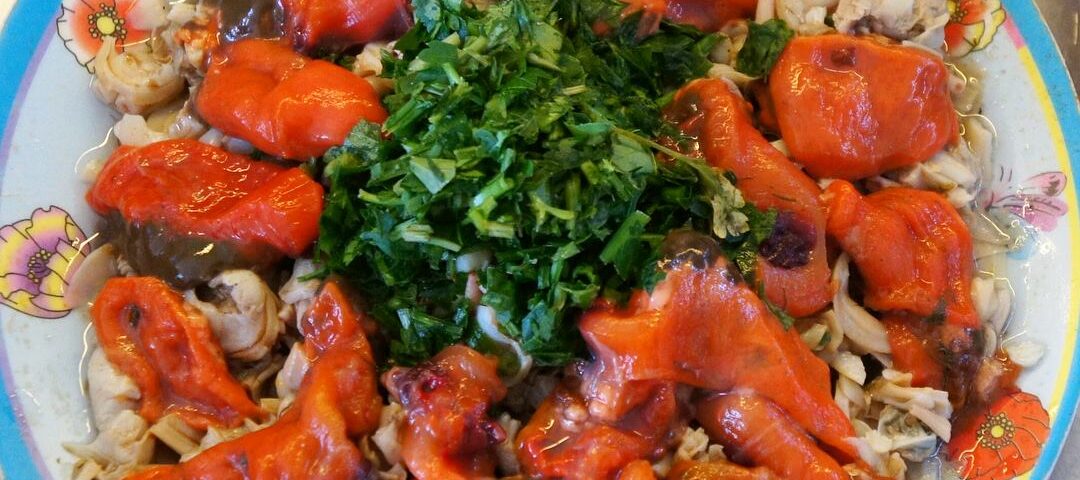
A Culinary Oddity Clinging to Chile’s Rugged Coast
On the wave-battered rocks of Chile’s Pacific shoreline, a creature so unassuming it’s often mistaken for a stone waits patiently for the tide. Pyura chilensis, known locally as piure, is a humble sea squirt with a grotesque charm—a mottled, liver-colored lump that hides a vivid secret. Slice through its tough, rubbery exterior, and you’ll find a crimson interior, its flesh pulsing with the essence of the sea: briny, metallic, and unapologetically bold.
To Chileans, it’s a treasure. To the uninitiated, it might look like something the ocean coughed up.
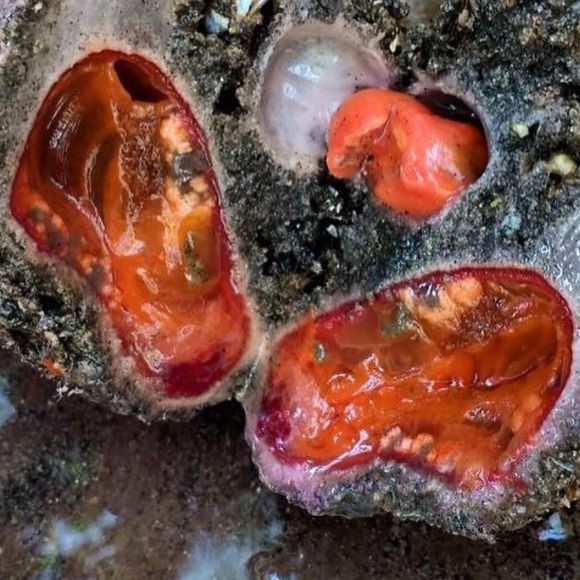
A Taste of the Wild Pacific
Few ingredients polarize as sharply as piure. Its flavor is an assault of umami—iodine-rich, iron-laced, with a lingering depth that evokes oysters, blood sausage, and the salty kiss of a crashing wave. Eaten raw, it’s a dare; cooked, it mellows into something rich and complex, often folded into empanadas, stirred into seafood stews, or served as a pungent ceviche with lime and cilantro.
In Santiago’s avant-garde restaurants, chefs tame its wildness with precision. At Boragó, a temple of Chilean terroir, piure might appear as a delicate tartare, its intensity balanced by tart apple and crisp coastal herbs. Yet in the fishing villages of the central coast, it’s devoured with rustic abandon—straight from the shell, with nothing more than a squeeze of lemon and a cold beer.
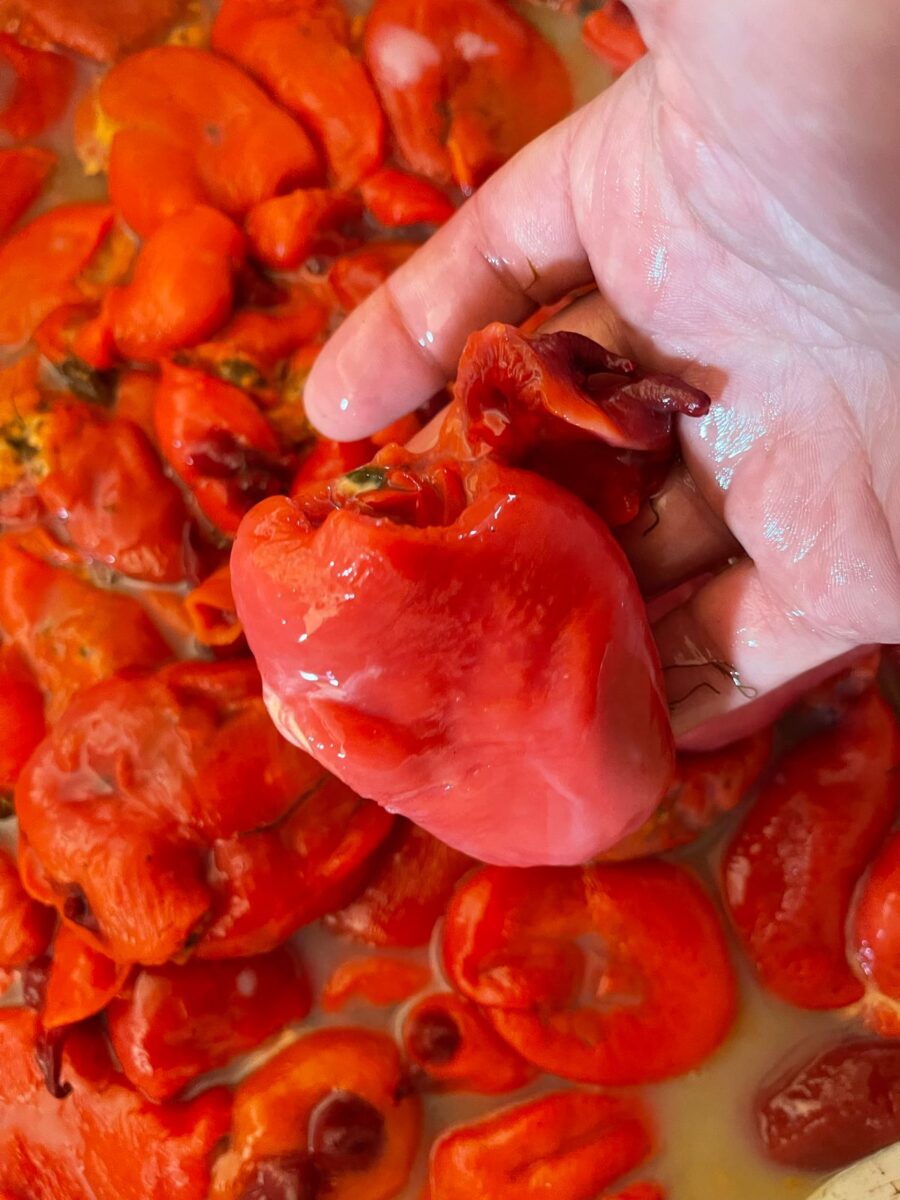
Nature’s Most Self-Sufficient Survivor
Beyond its culinary mystique, piure harbors a biological quirk that fascinates scientists: it is a hermaphrodite capable of self-fertilization. Unlike most species that rely on mates, piure often takes reproduction into its own hands, releasing both eggs and sperm into the water to create offspring with near-identical genetics.
This solitary strategy ensures survival in the harsh intertidal zone, where crashing waves and predators make romance impractical. The result? Dense colonies of clones, clinging together in a communal embrace—a metaphor, perhaps, for resilience in isolation.
A Delicacy Under Threat
For generations, coastal foragers have harvested piure by hand, prying it from rocks at low tide. But demand has strained wild populations, and its slow growth—taking up to a decade to mature—makes it vulnerable to overexploitation. Some aquaculture projects now cultivate piure, though purists argue farmed versions lack the primal intensity of those wrested from the open ocean.
Chilean officials have imposed seasonal bans to protect spawning colonies, but enforcement is patchy. Conservationists warn that without stricter measures, this oddity of nature—and culture—could vanish from its ancestral shores.
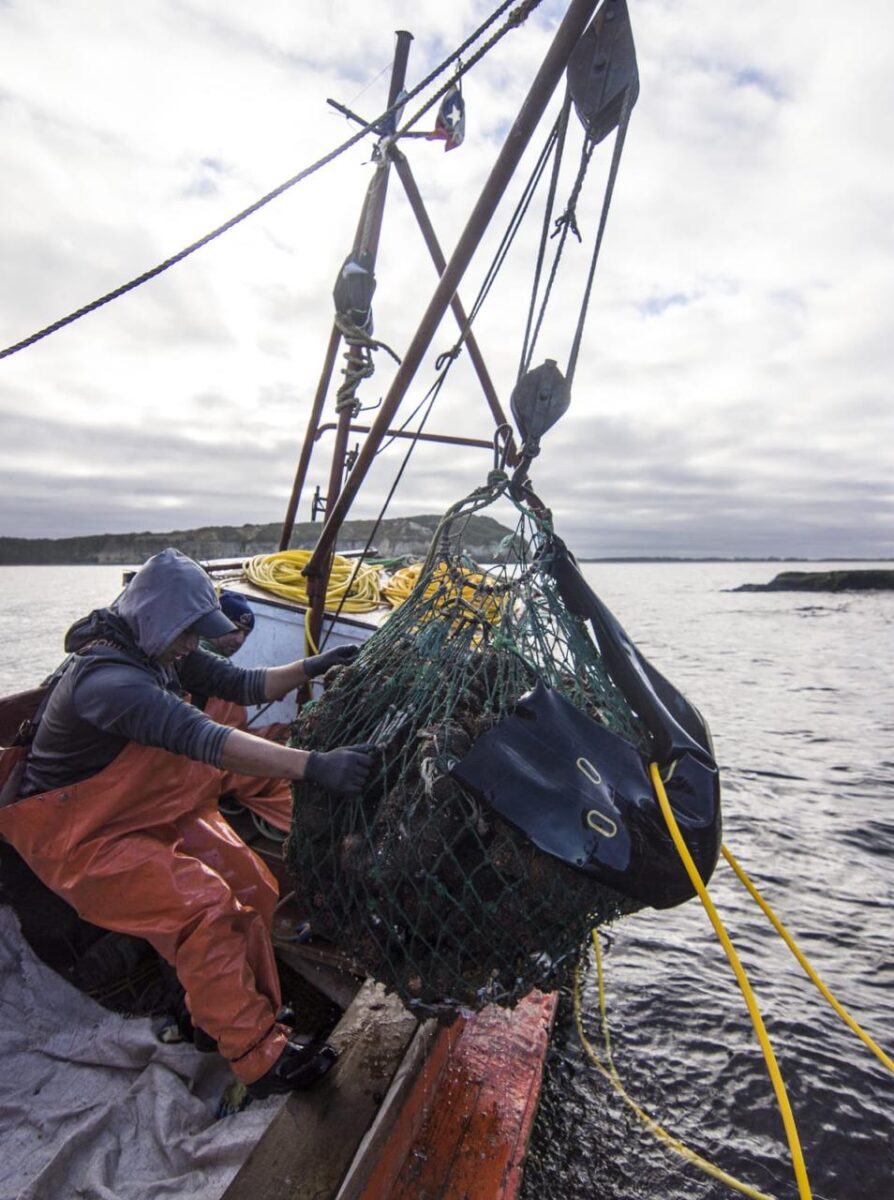
Love It or Loathe It—There’s No Middle Ground
To taste piure is to confront the untamed soul of the Pacific. It is not an ingredient that asks for approval; it demands a reckoning. Some diners recoil at its metallic punch. Others, once acclimated, find themselves craving its singular depth—the way it lingers on the palate like a half-remembered dream of the sea.
Perhaps that’s why Chileans cherish it. In a world of sanitized flavors, piure remains defiantly wild, a reminder that the ocean’s gifts are not always pretty—but they are unforgettable.
Final Thought:
The piure doesn’t need your admiration. It has survived this long without it.