Chile’s Crimson Gold: The Langostino Chronicles
11 de mayo de 2014
Chile’s Ugly Delicacy: The Bizarre Sea Creature That Divides—and Delights
21 de abril de 2025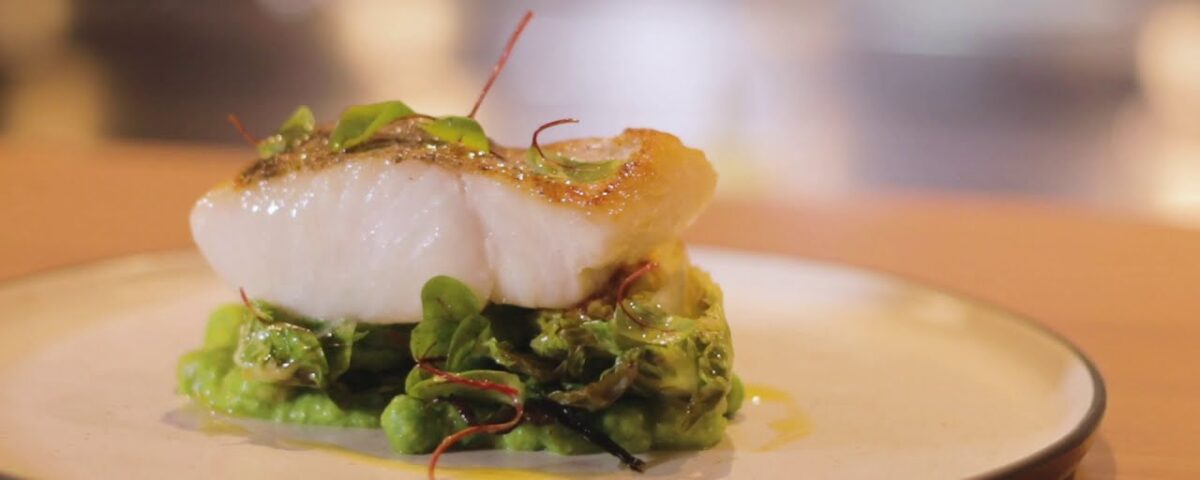
I. The Fish
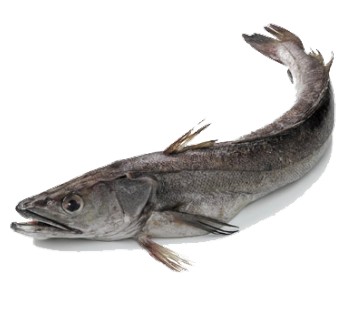
Scientific Name: Merluccius australis
Common Names: Southern hake, Patagonian grenadier, merluza austral
Habitat: The icy depths of the southeastern Pacific, from central Chile (around Valparaíso) to the southern tip of Patagonia and across to New Zealand’s subantarctic waters. It thrives in 200–500-meter depths, where the Humboldt and Antarctic currents collide, creating a nutrient-rich environment that yields exceptionally firm, sweet flesh.
Physical Traits:
- Slender, silver-gray body with a faint pinkish hue along the belly.
- Grows up to 1.5 meters (though market sizes average 50–80 cm).
- Distinctive large eyes—an adaptation to deep-water darkness.
II. The Harvest
Fishing Methods
Chilean fleets use two primary techniques:
Bottom Trawling (Controversial but Common)
- Ships drag weighted nets along the seafloor.
- Risks: Bycatch of vulnerable species (e.g., skates) and seafloor disruption.
- Mitigation: Some vessels now use «selective grids» to reduce bycatch.
Longlining (Sustainable Alternative)
- Hooks baited with squid or smaller fish target hake specifically.
- Yields higher-quality flesh (less bruising than trawling).
Regulations & Sustainability:
- Chile enforces strict quotas (annual catch limits ~50,000 tons).
- MSC-certified fisheries (e.g., Oceana’s Patagonian hake) dominate exports.
- Closed seasons (July–September) protect spawning stocks.
III. The Flavor Profile
Texture:
- Firmer than cod, with large, pearly flakes that hold together under heat.
- High moisture retention—rare among lean whitefish—thanks to cold-water adaptation.
Taste:
- Clean, subtly sweet, with a briny whisper of kelp and Antarctic minerals.
- Less «fishy» than European hake (Merluccius merluccius), making it a chef’s favorite for delicate preparations.
The Markets
1. Chile
- Local Demand: Sold fresh in coastal markets as whole fish or fillets.
2. Export Hubs
- United States: High-end restaurants feature it as «Chilean hake.»
- Europe: Spain and Portugal import frozen fillets for bacalao-style dishes.
- Asia: Japan values it for surimi (processed fish paste) due to its binding quality.
Final Word:
Southern hake is more than a fish; it’s a testament to Chile’s marine bounty and the delicate balance between harvest and conservation. Whether seared with aji verde or baked in parchment, its flavor tells the story of Patagonia’s untamed seas.