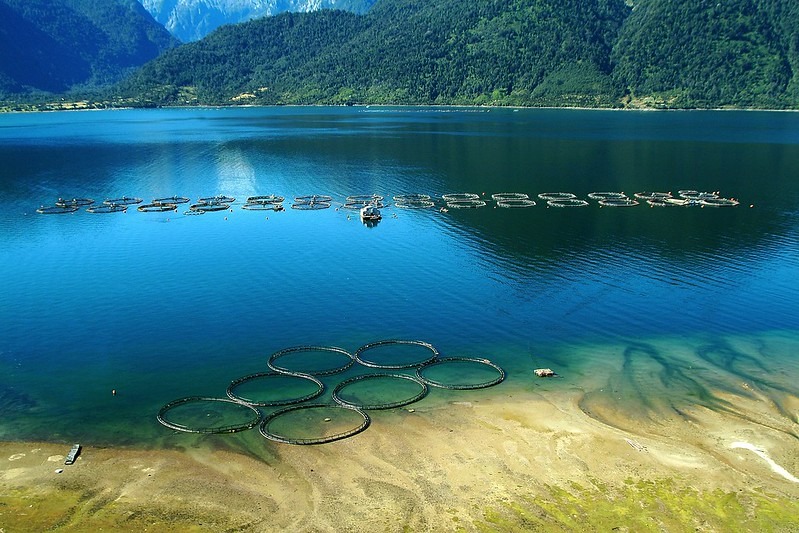

Chilean Sea Bass: The Buttery Treasure from Patagonia’s Depths
10 de mayo de 2014
The Prized Southern Hake: Chile’s Cold-Water Treasure
12 de mayo de 2014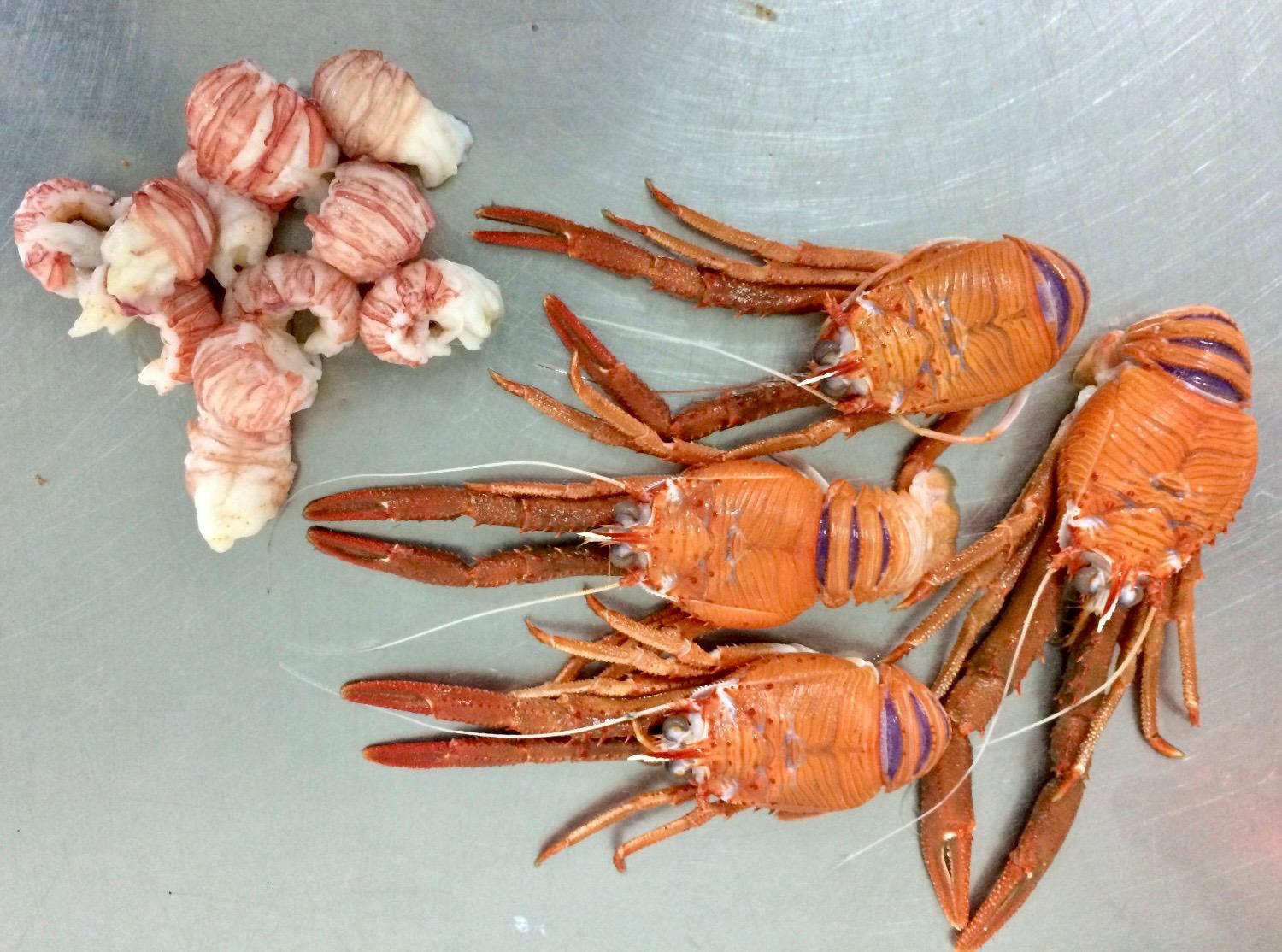
In the frigid waters off Patagonia, a culinary revolution is unfolding—one succulent crustacean at a time
Chapter I: The Ocean’s Rubies
The Chilean langostino emerges from icy depths like aquatic treasure, its carapace gleaming with the intensity of a Patagonian sunset. These aren’t mere shrimp—they’re marine alchemists, transforming krill and Antarctic minerals into flesh so exquisite it commands $150/kg at Tokyo’s Toyosu Market.
The Fishermen’s Odyssey:
- The Humboldt’s Children: Artisanal fleets from Valparaíso to Chiloé brave 10-meter swells during the April-October season
- Depth Charges: Industrial trawlers deploy AI-assisted nets at precisely 187 meters—the sweet spot where cold currents concentrate flavor
- The 90-Second Rule: Deckhands must process each catch before the ship’s clock completes one revolution, ensuring peak freshness
«You haven’t tasted langostino until you’ve eaten one that was swimming 20 minutes prior,» claims Hernán Garcés, a third-generation langostinero from Coronel.
Chapter II: The Flavor Matrix
Anatomy of a Phenomenon:
- The Sweetness Factor: Prolonged exposure to 6°C waters stimulates glycogen production, creating a natural umami bomb
- Carotenoid Alchemy: Their signature crimson hue comes from astaxanthin—three times more concentrated than in salmon
- Texture Paradox: A unique protein matrix yields flesh that’s simultaneously buttery and crisp
Chapter III: The Conservation Paradox
While MSC certification covers 38% of catches, new threats emerge:
- The CRISPR Controversy: Rogue farms in Southeast Asia now market «Chilean-style» gene-edited variants
- Acidification Effect: Rising pH levels may alter the signature sweetness by 2030
- The Tesla Trawlers: Electric fishing vessels promise zero emissions but risk disrupting spawning grounds
Epilogue: The Last Supper?
As climate change redraws ocean maps, gastronomes race to document this edible masterpiece. The Chilean langostinos stands at a crossroads—between being a sustainable luxury and another cautionary tale of human appetite.
For now, when a perfect specimen arrives on your plate—its carapace crackling, flesh trembling with oceanic memory—you’re tasting something truly priceless: the unfiltered soul of Patagonia’s pristine seas.
To taste a perfectly prepared Chilean langostino is to experience the ocean’s finest alchemy—a revelation of sweetness, umami, and texture that elevates it beyond mere seafood into the realm of culinary art. Each succulent bite delivers an initial burst of briny freshness, followed by a buttery richness reminiscent of lobster, yet with a distinct, delicate sweetness unique to Patagonia’s icy waters. The flesh, firm yet yielding, carries a natural minerality that lingers like the finish of a fine white wine, while its vibrant crimson shell hints at the depth of flavor within. Whether simply grilled with a touch of sea salt, kissed by citrus in a ceviche, or luxuriously poached in garlic-infused olive oil, the langostino’s pure, clean taste is a testament to Chile’s pristine marine wilderness—a fleeting taste of the sea at its most exquisite.