Chile’s Black Gold: The Rise of Patagonian Mussels
9 de mayo de 2014
Chile’s Crimson Gold: The Langostino Chronicles
11 de mayo de 2014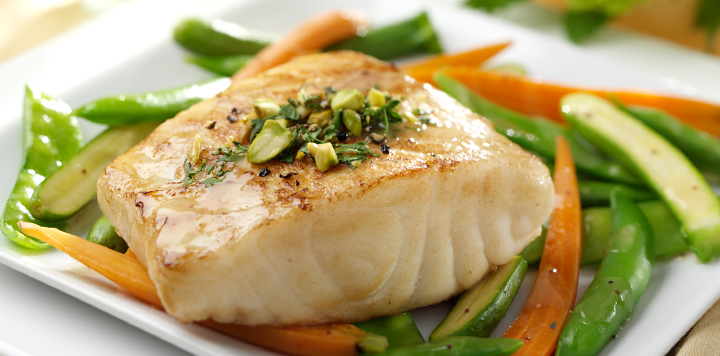
How a Misnamed Fish Became North America’s Most Coveted Seafood
In the icy, turbulent waters off southern Chile, fishermen brave the Antarctic currents to haul in one of the ocean’s most luxurious catches: the Chilean sea bass. Despite its name, this is not a bass at all, but the Patagonian toothfish (Dissostichus eleginoides), a deep-water predator so rich and succulent that it has become a staple in high-end restaurants from New York to Los Angeles.
A Fish by Any Other Name
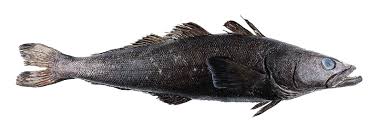
The story of Chilean sea bass is one of marketing genius. In the 1970s, American fish distributors rebranded the unappetizingly named «toothfish» to make it more palatable to consumers. The strategy worked—perhaps too well. By the 1990s, its velvety texture and mild, buttery flavor had made it a sensation, appearing on menus at Michelin-starred restaurants and sparking a global demand that nearly led to its collapse from overfishing.
Today, Chile is one of the world’s largest suppliers, exporting over 10,000 tons annually, much of it destined for the U.S. and Canada.
Where It’s Caught: The Ends of the Earth
Chilean sea bass thrives in the subantarctic waters around:
- The Juan Fernández Archipelago (a remote paradise 400 miles off Chile’s coast)
- The Southern Patagonian Ice Field (near the fjords of Magallanes)
- The Drake Passage (where the fish grow fat in near-freezing depths of 3,000 feet)
Fishing is tightly regulated, with quotas and MSC (Marine Stewardship Council) certification ensuring sustainability. Longline fishing—the primary method—targets mature fish while minimizing bycatch.
Why North America Can’t Get Enough
The Flavor Factor
- Its high fat content (richer than cod or halibut) makes it nearly impossible to overcook.
- The flesh is snow-white, flaky, and melts on the tongue, with a clean, slightly sweet finish.
Versatility in the Kitchen
- A favorite of chefs for its ability to pair with bold flavors: miso glaze, citrus beurre blanc, or simple salt and pepper.
- Popular preparations: blackened, grilled, or served as sushi (where its texture rivals fatty tuna).
The Luxury Appeal
- Sells for 25–40 per pound in U.S. markets.
- A status symbol on high-end menus, often listed simply as «Chilean Bass» to evoke exclusivity.
The Future of a Culinary Icon
Chile has become a leader in toothfish conservation, using satellite tracking and strict quotas to protect stocks. Meanwhile, American demand shows no sign of slowing.
«It’s the foie gras of fish,» says Eric Ripert of Le Bernardin. «No other seafood delivers that same unctuous perfection in every bite.»
As long as diners are willing to pay top dollar, the Chilean sea bass will remain a jewel of the deep—a testament to nature’s bounty and the power of a good name.
Final Thought:
In the end, does it matter what we call it? Not when it tastes this good.