
Chilean King Crab: The Jewel of Patagonia’s Icy Depths
8 de mayo de 2014
Chilean Sea Bass: The Buttery Treasure from Patagonia’s Depths
10 de mayo de 2014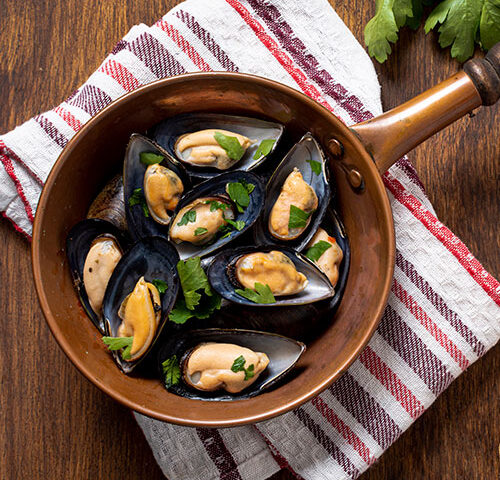
How Chile Became the Unrivaled Powerhouse in Global Mussel Production
The Hidden Bounty of Patagonia’s Fjords
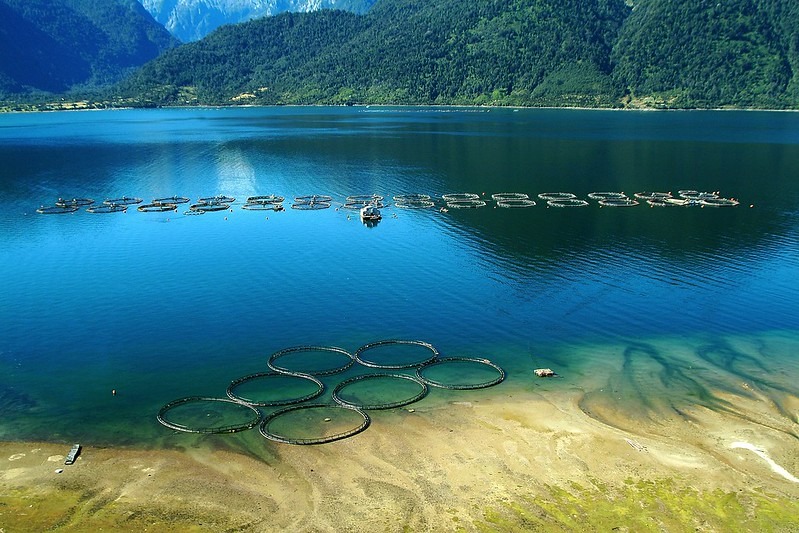
In the labyrinthine fjords of southern Chile, where glacial waters meet the Pacific’s fury, an aquaculture revolution has quietly unfolded. Here, suspended in emerald waters, millions of choritos (Chilean black mussels, Mytilus chilensis) grow plump on nature’s perfect diet—nutrient-rich Antarctic currents.
With over 300,000 tons produced annually, Chile now supplies 40% of the world’s mussel exports, a dominance forged through unique geography, pioneering farming techniques, and insatiable global demand.
From Tide to Table: The Chilean Mussel Boom
. The Farming Frontier
Chile’s mussel industry clusters around three key regions:
- Los Lagos Region (Chiloé Archipelago): The heartland, producing 60% of harvests in protected inland seas
- Aysén Fjords: Deeper, colder waters yield slower-grown, meatier mussels
- Magallanes: The southernmost farms supply premium “ice mussels” with exceptional sweetness
Farming Innovations:
- Longline Culture: Ropes suspended from buoy systems allow year-round growth
- Depth Rotation: Farmers lower mussels to nutrient-dense depths in summer
- Eco-Certification: 85% of farms now meet ASC (Aquaculture Stewardship Council) standards
. Timeline of a Seafood Superpower
- 1980s: Subsistence-level harvests from wild beds
- 1995: Norwegian companies introduce suspended culture techniques
- 2005: EU grants Chile “bivalve equivalency” status, opening floodgates
- 2012: China’s FDA approves Chilean imports, triggering 300% production growth
- 2020: Pandemic shifts demand to frozen, cementing Chile’s logistics advantage
. Why Chefs Crave Choritos
The Flavor Edge:
- Cold Water Intensity: Lower temperatures concentrate glycogen (natural sugar)
- Plankton Diversity: Patagonian currents create complex umami notes
- Texture Perfect: Firmer than Mediterranean mussels, less fibrous than Canadian
Signature Dishes:
- Chilean Curanto: Underground pit-cooked with potatoes and chapaleles
- New Wave Ceviche: Tokyo chefs pair them with yuzu and shiso
- The Brussels Connection: Replaces Dutch mussels in 30% of Belgian restaurants
Storm Clouds on the Horizon
While Chile’s mussel empire seems unshakable, challenges loom:
- Ocean Acidification: Thinning shells in northern farms
- Labor Shortages: Workers flee remote regions for cities
- Trade Wars: EU’s new “carbon miles” tax could hurt air-freighted live exports
“We’re not just farming mussels anymore,” says Consuelo Aguilar, a marine biologist at Patagonia University. “We’re stewards of an ecosystem that feeds millions.”
The Last Bite
As climate change reshapes global aquaculture, Chile’s black mussels stand as both a triumph of sustainable farming and a cautionary tale about overreliance on single-species exports.
For now, when you pry open that iridescent shell in Barcelona or Brooklyn, you’re tasting more than a mollusk—you’re savoring the essence of Patagonia’s pristine waters, and the ingenuity that brought it to your plate.In the race to feed the planet, sometimes the humblest creatures become the real treasures.