
Macroalgae
5 de mayo de 2014
Chilote Curanto: A Historic Feast of Flavors and Cultural Fusion
7 de mayo de 2014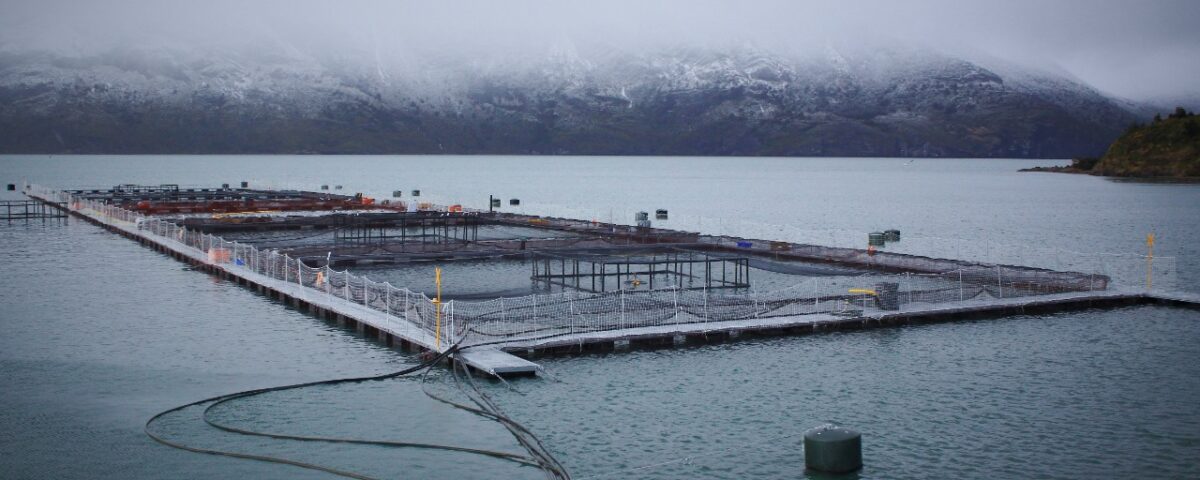
The Story Behind Chile’s Multi-Billion Dollar Salmon Industry
Chile’s transformation into a salmon superpower reads like an improbable success story. This non-native species, first introduced as an experiment, now dominates the country’s aquaculture exports, generating billions annually and feeding millions worldwide. But how did salmon – a fish foreign to South American waters – become Chile gold?
Chile has positioned itself as a major salmonid producer, ranking second in the world after Norway and accounting for 25% of global production.
But how did salmon arrive in our country? According to data from the Salmon Council (CDS), the first experimental processes date back to the 19th century, with initial attempts at introduction. There are reports from 1885 regarding the arrival of salmon and trout eggs, and from 1905 regarding the importation of the first Atlantic salmon (Salmo salar) and rainbow trout (Oncorhynchus mykiss) eggs.
Later, the Chilean government became involved in various initiatives to promote the farming of Chinook and coho species. In 1969, a program to introduce salmon farming was formalized through an agreement between the Japan International Cooperation Agency (JICA), the Japan Fisheries Association, and the Chilean National Fisheries Agency. This program included the training of Chilean professionals and technicians in Chile and laid the foundation for the industry’s takeoff, enabling the development of the technological capabilities and knowledge necessary for local production.
In the mid-1970s, the industrial and commercial phase of salmon farming began in the country, with the establishment of Japanese and Dutch companies that joined local ones. In 1976, Sernapesca, the state entity responsible for overseeing production, was created. By the mid-1980s, the industry was expanding rapidly, becoming a significant source of economic growth and employment for the country, especially in the south. Production increased from 1,200 tons in 1985 to 60,000 tons in 1991.
In the 1990s, growth continued, and Chilean salmon became fully international. Global production was concentrated in countries such as Norway, Scotland, and Chile, using an industrial aquaculture model. From that moment on, Chilean companies focused on opening new markets, joining the main ones: the United States, Japan and China.